-Anand Kumar Barkur
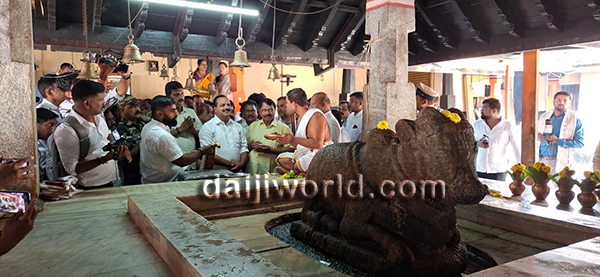
Brahmavar, July 21 — Long before it became a stop on a minister's itinerary, Barkur was already doing the work that governments spend decades trying to legislate: teaching people of different faiths to live, worship, and grow old together within shouting distance of one another. On Tuesday, that quiet, centuries-old arrangement briefly stepped into the spotlight when Karnataka's Speaker and Health Minister, U.T. Khader Fareed, walked the narrow lanes of this coastal town, moving from the sanctum of a Shiva temple to the prayer hall of one of the state's oldest mosques, and finally into the hushed nave of a colonial-era church.
A Town That Outlasted Its Rulers
What makes Barkur worth a minister's time isn't just its antiquity — it's what that antiquity has withstood. The town has passed through the hands of successive dynasties, including the Vijayanagara rulers, each leaving behind administrative and cultural imprints. Yet, as Khader observed during his visit, the town's traditions and values have survived every change of ruler largely intact — an outcome he described as a rare and remarkable civic achievement rather than a historical accident.
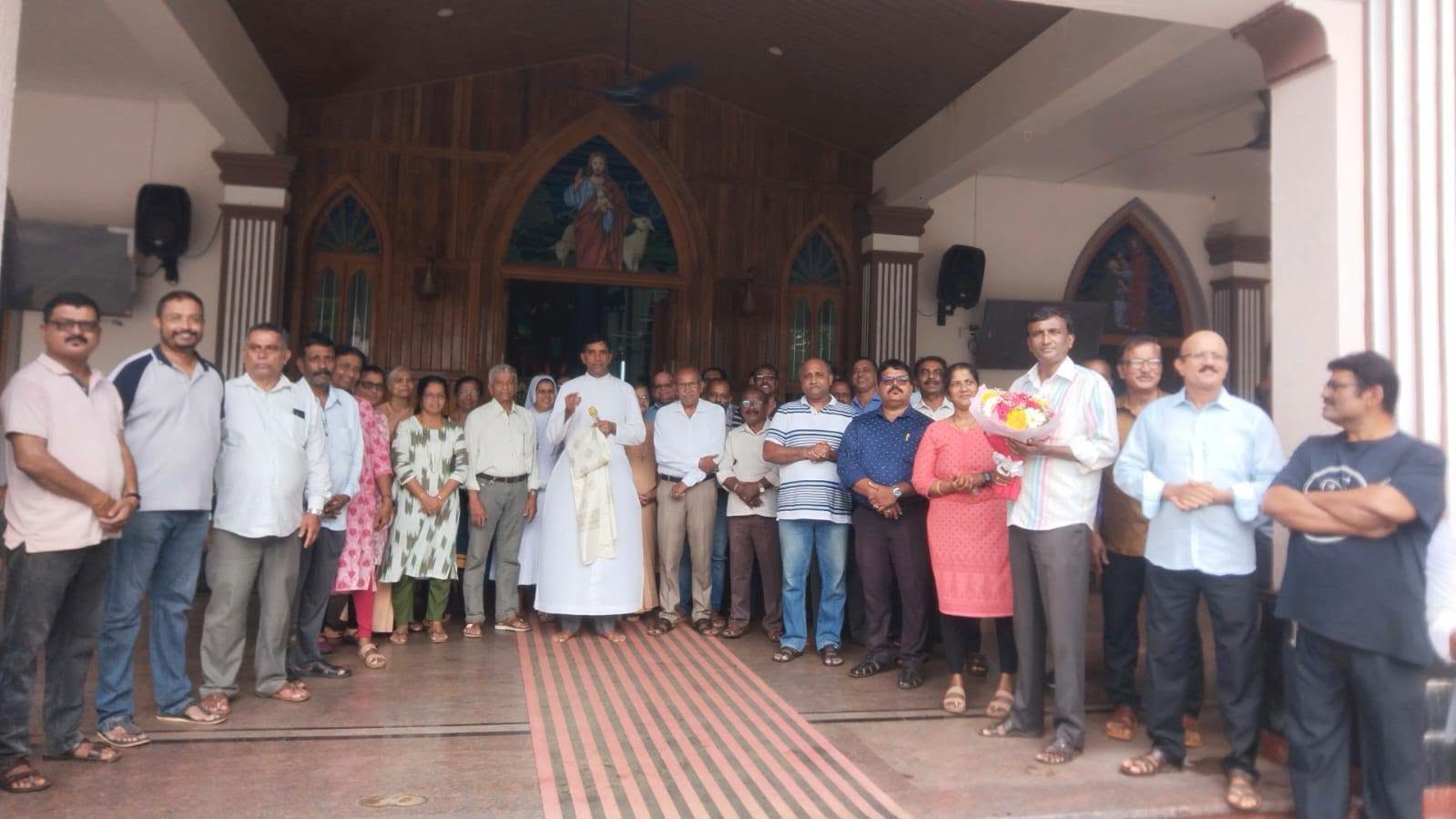
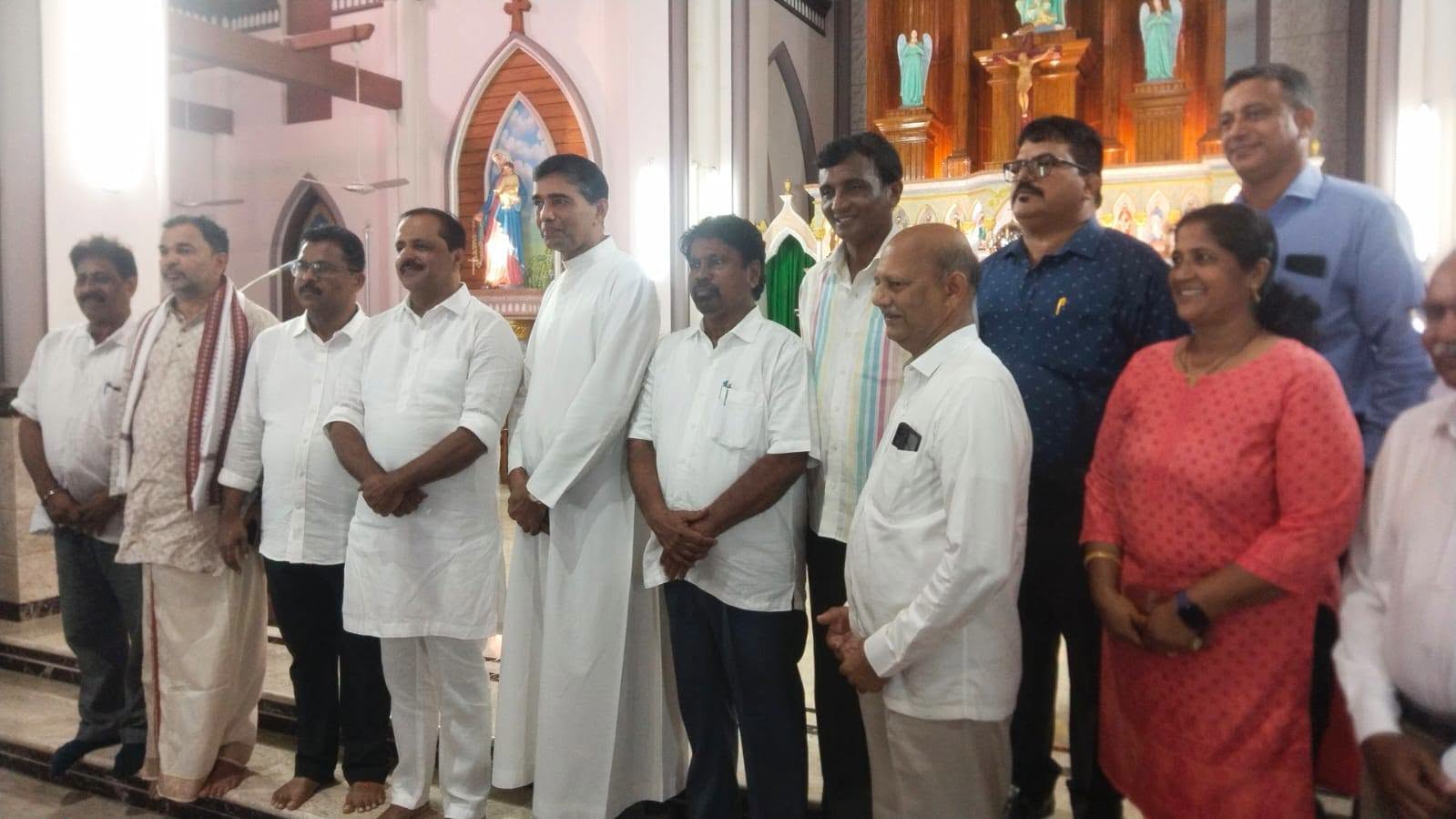
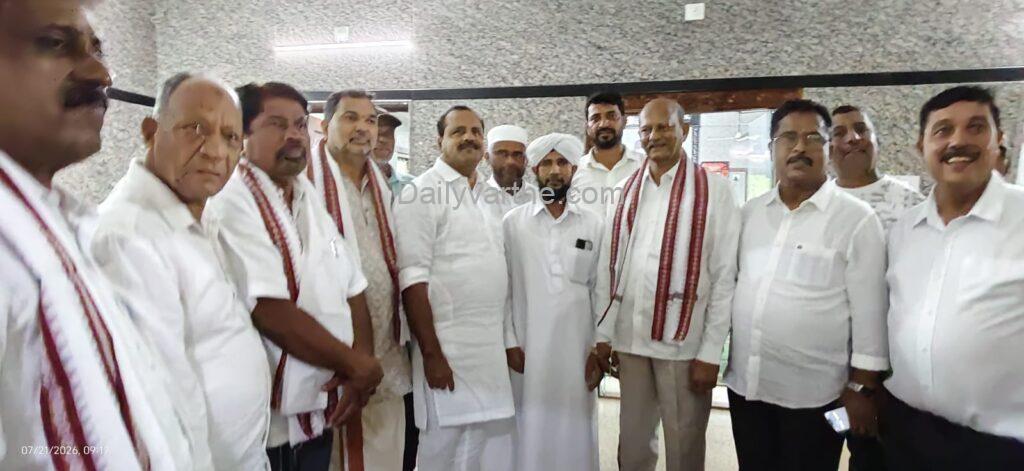
That resilience is written into the town's geography. The Malik Dinar Jumma Masjid at Santeguddé — among Karnataka's oldest congregational mosques — stands a stone's throw from the Panchalingeshwara Temple, itself now the subject of a major restoration effort led by a dedicated renovation committee. A short walk away sits St. Peter's Church, its own congregation and ward members turning out to receive the minister with the same warmth extended at the temple and mosque. Three institutions, three calendars of worship, one shared street — Barkur wears its pluralism not as a slogan but as a floor plan.
Reception, Not Just Recognition
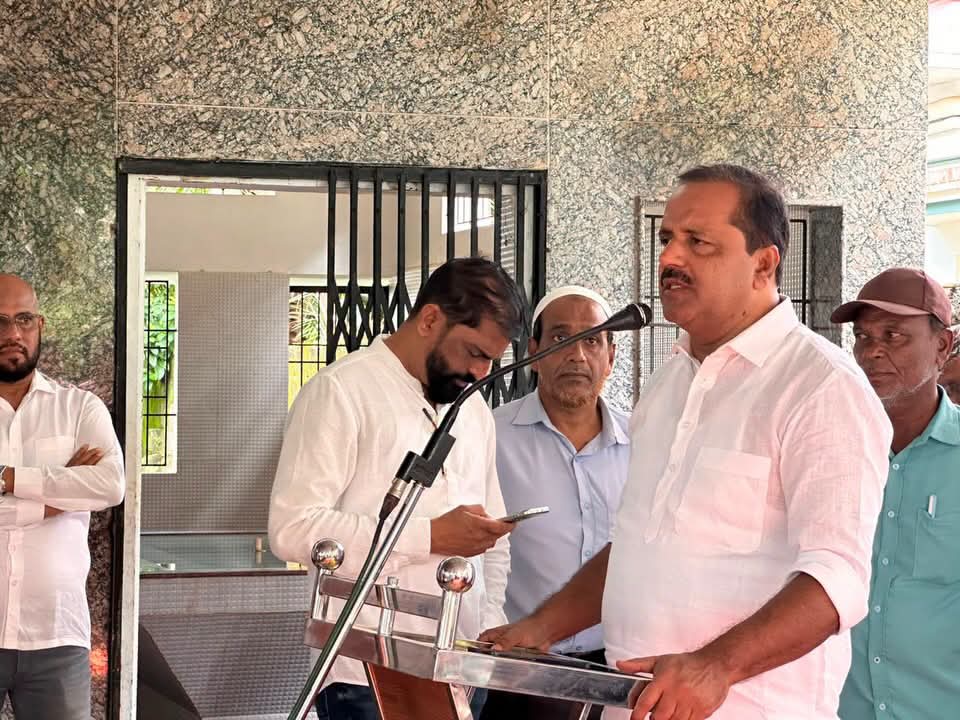
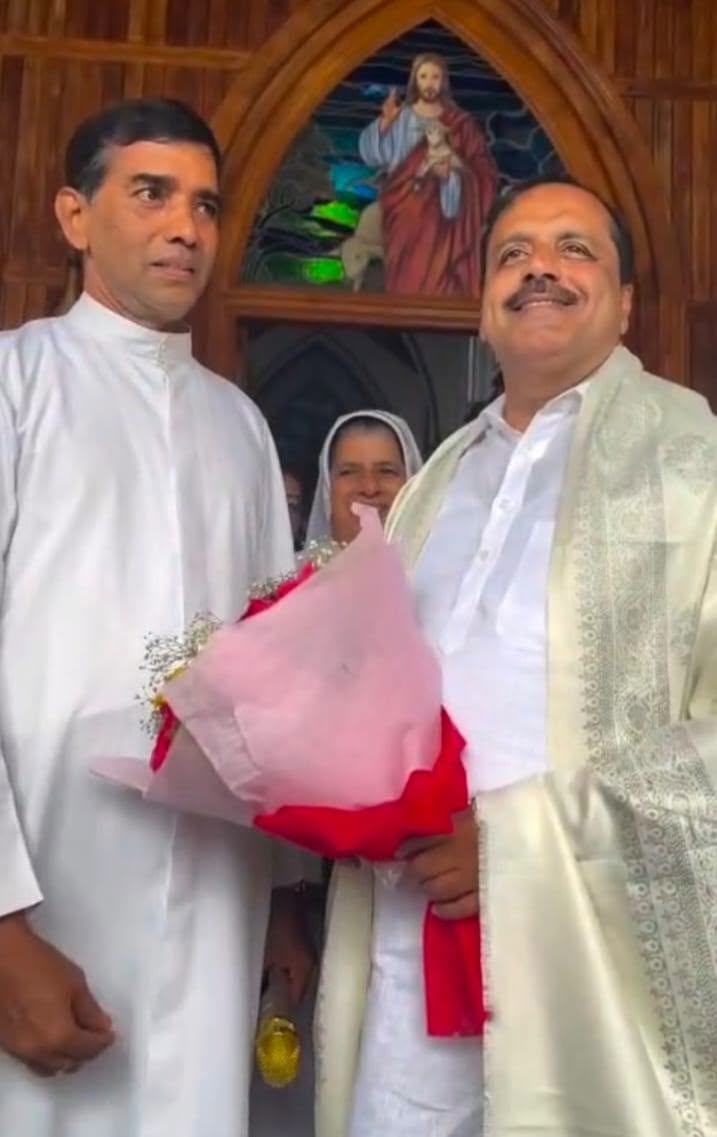
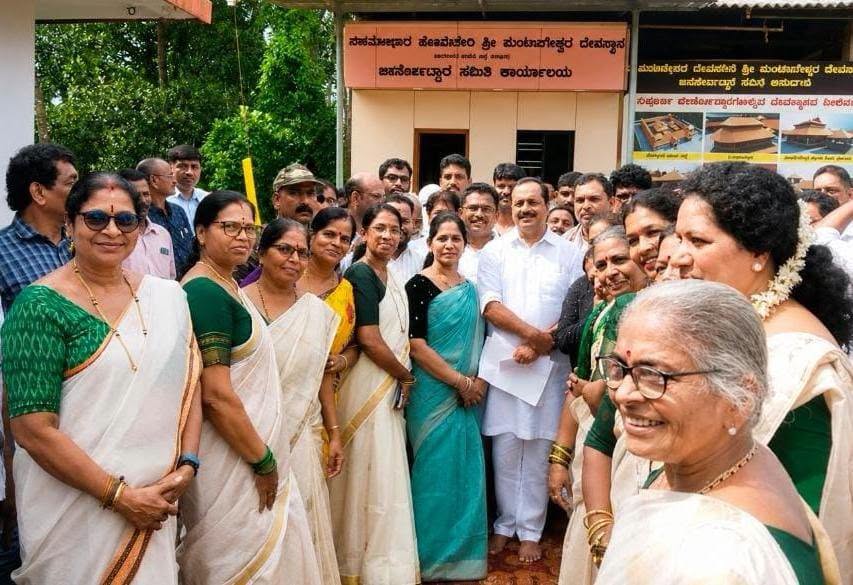
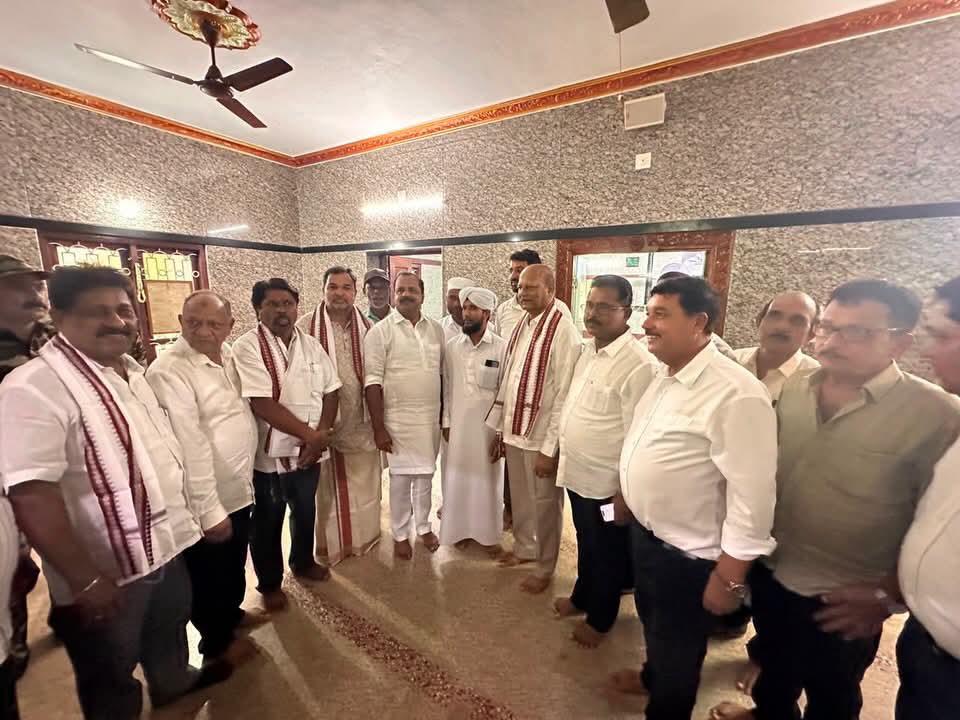
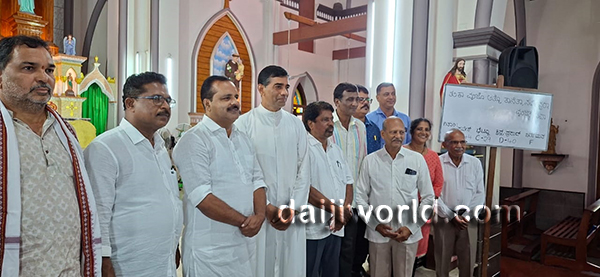
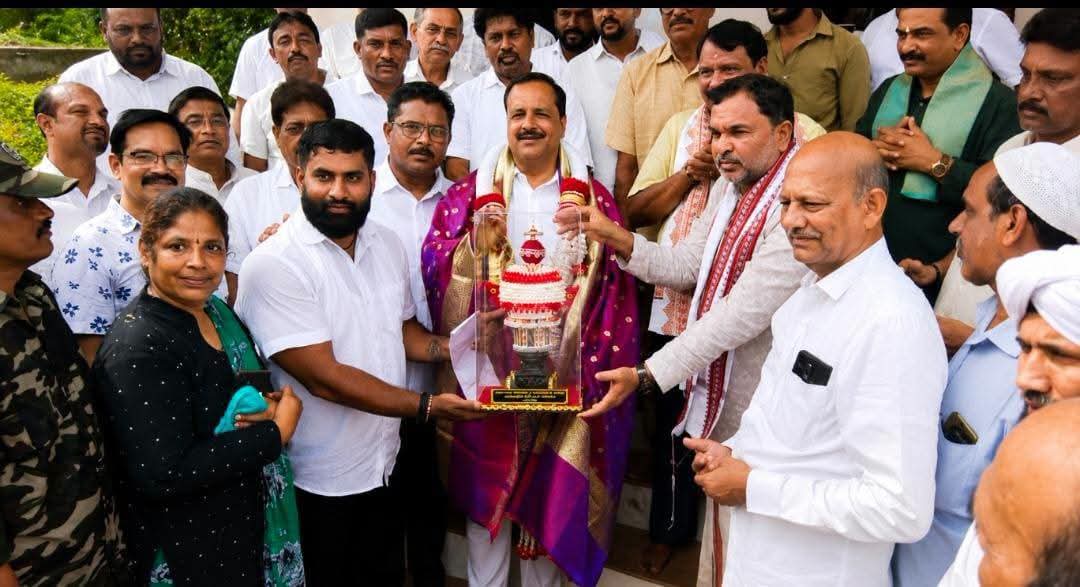
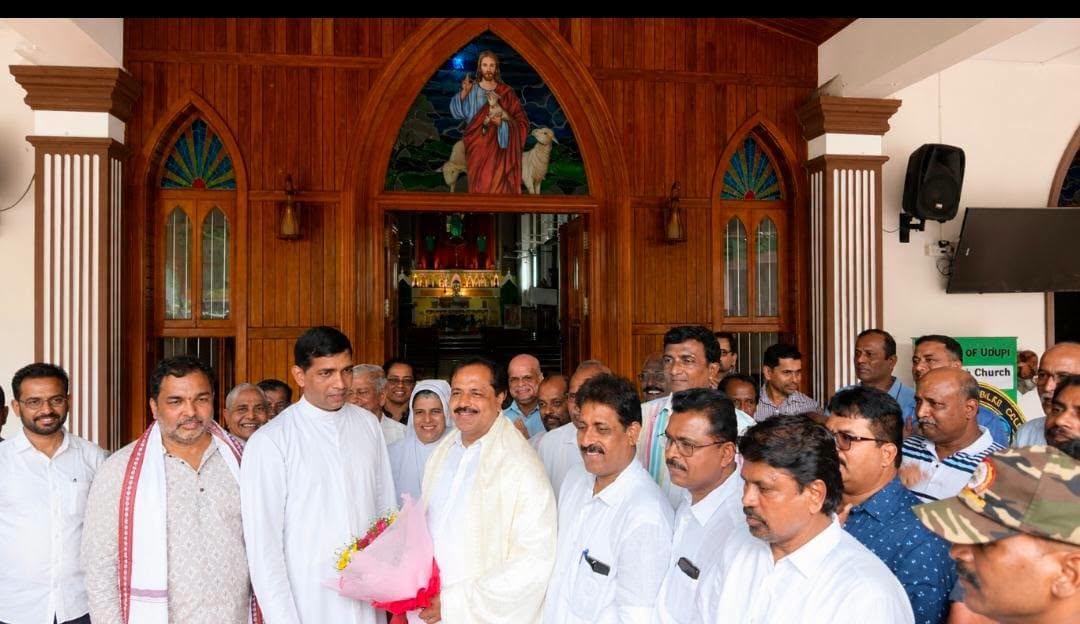
The visit carried its own quiet symbolism in the exchanges that took place at each stop. At the Panchalingeshwara Temple, the renovation committee — led by its president and office-bearers — presented the minister with a memento in recognition of his visit, a gesture of the kind usually reserved for community elders rather than passing officials. At St. Peter's Church, clergy and ward representatives extended a similarly warm and formal welcome, underscoring that this was being treated less as a political courtesy call and more as an occasion of shared civic pride.
The Minister's Message: Preservation Over Nostalgia
Khader was careful not to frame Barkur's harmony as something to be admired from a distance. Instead, he used the visit to issue a call to action, urging young people to actively carry forward the region's traditions of trust, brotherhood, and mutual respect under the guidance of their elders — framing this not as sentimental preservation but as a building block for a stronger, more trustworthy Karnataka and India. He committed the state government's support toward restoring Barkur's historical prominence, a pledge that dovetails with the ongoing push to renovate the Panchalingeshwara Temple itself.
Coastal Development Authority chairman M.A. Gaffoor added weight to that commitment, calling for a structured, comprehensive plan to revive the town's heritage rather than piecemeal restoration — a signal that Tuesday's visit may be less a ceremonial gesture and more the opening move in a sustained conservation push.
Beyond the Three Landmarks
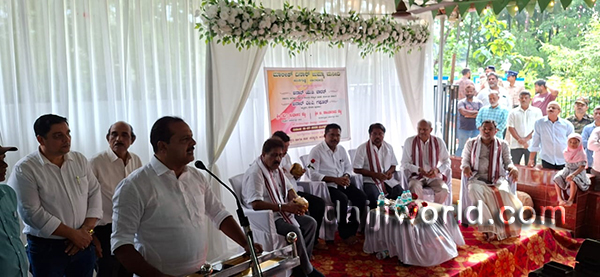
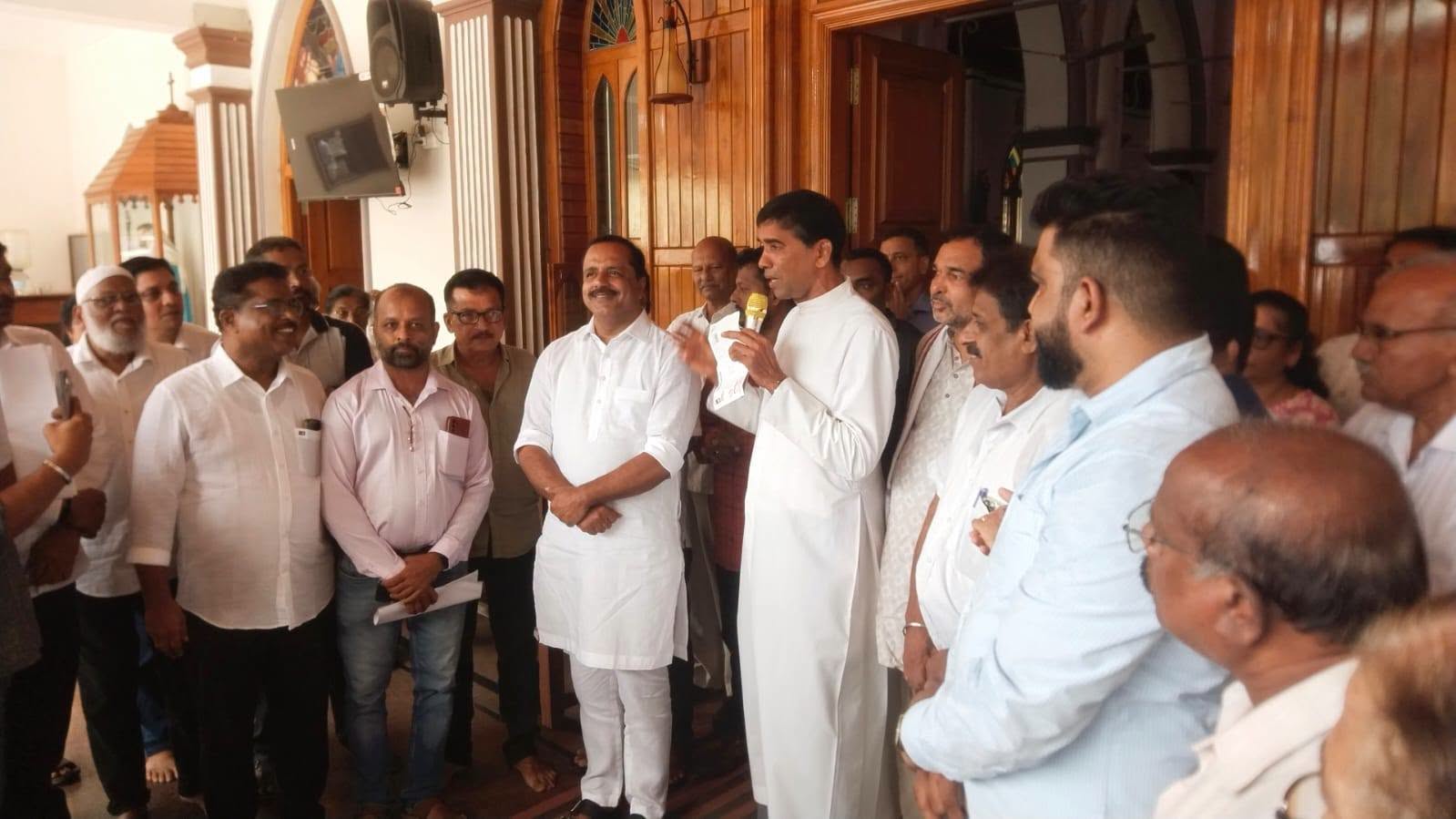
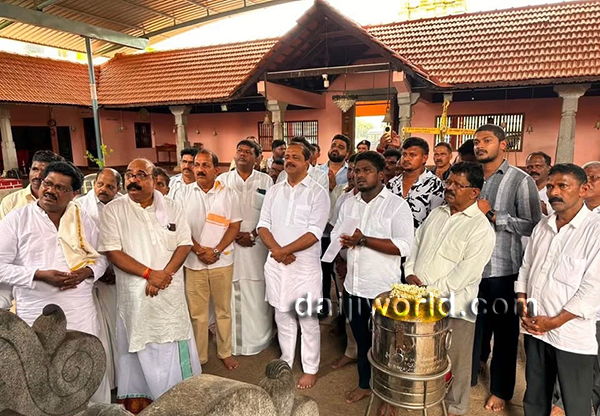
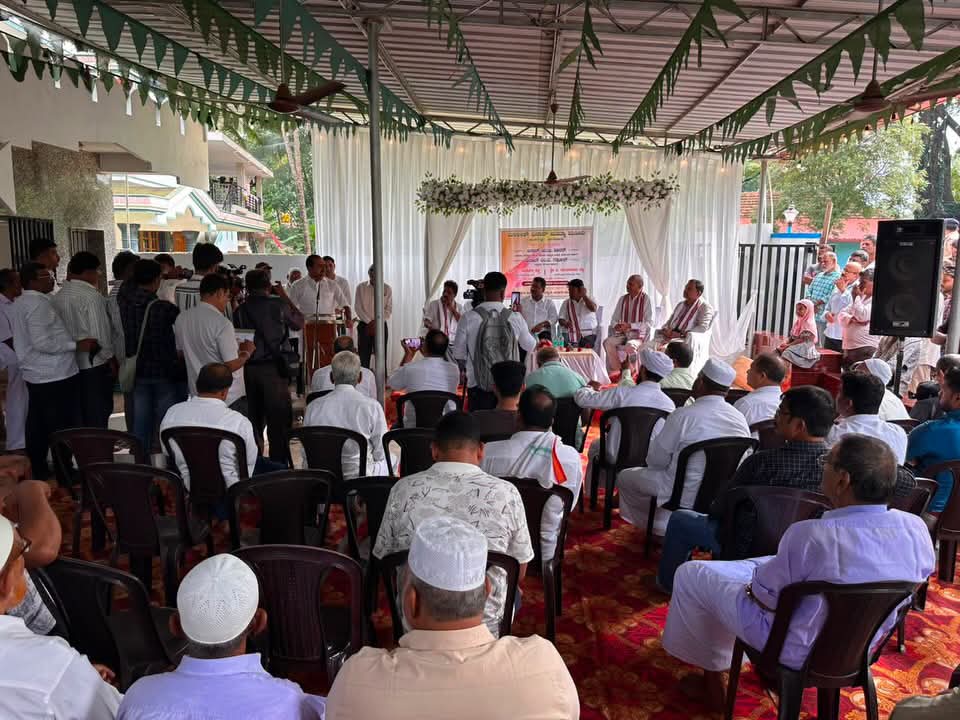
The minister's itinerary extended past the temple, mosque, and church that anchored the day's headlines. He also visited Sri Babbuswami Moola Kshetra and the Kachoor Malthidevi daivasthana — smaller shrines that, together with the town's more prominent sites, form the layered devotional landscape that gives Barkur its character. The presence of local Congress leaders, district committee officials, and the temple renovation committee's leadership throughout the day reflected a rare alignment of political, administrative, and community stakeholders around a single cause.
Why It Resonates Beyond Barkur
In a country where communal fault lines periodically dominate headlines, a minister's visit to a temple, mosque, and church in a single afternoon might seem like a modest gesture. But in Barkur, it read as an affirmation of something the town has never needed to be told: that shared history, when tended carefully, outlasts the politics of any single era. Whether Tuesday's promises translate into the funded, structured restoration Gaffoor called for will determine if this becomes a genuine turning point for the town — or simply another well-meaning visit in a place that has already proven it doesn't need reminding of its own values.