
-News n Visuals : Anand Kumar Barkur
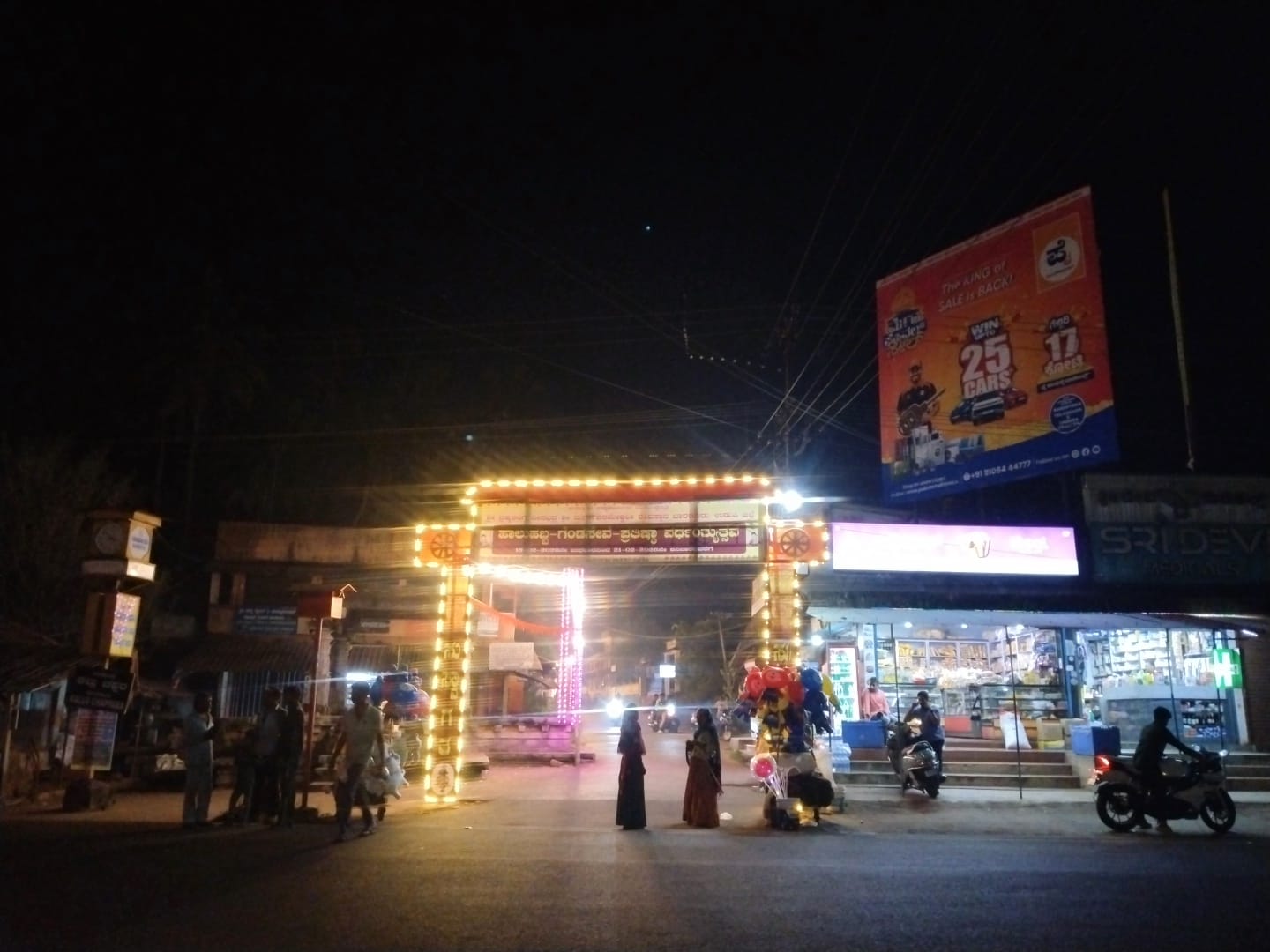
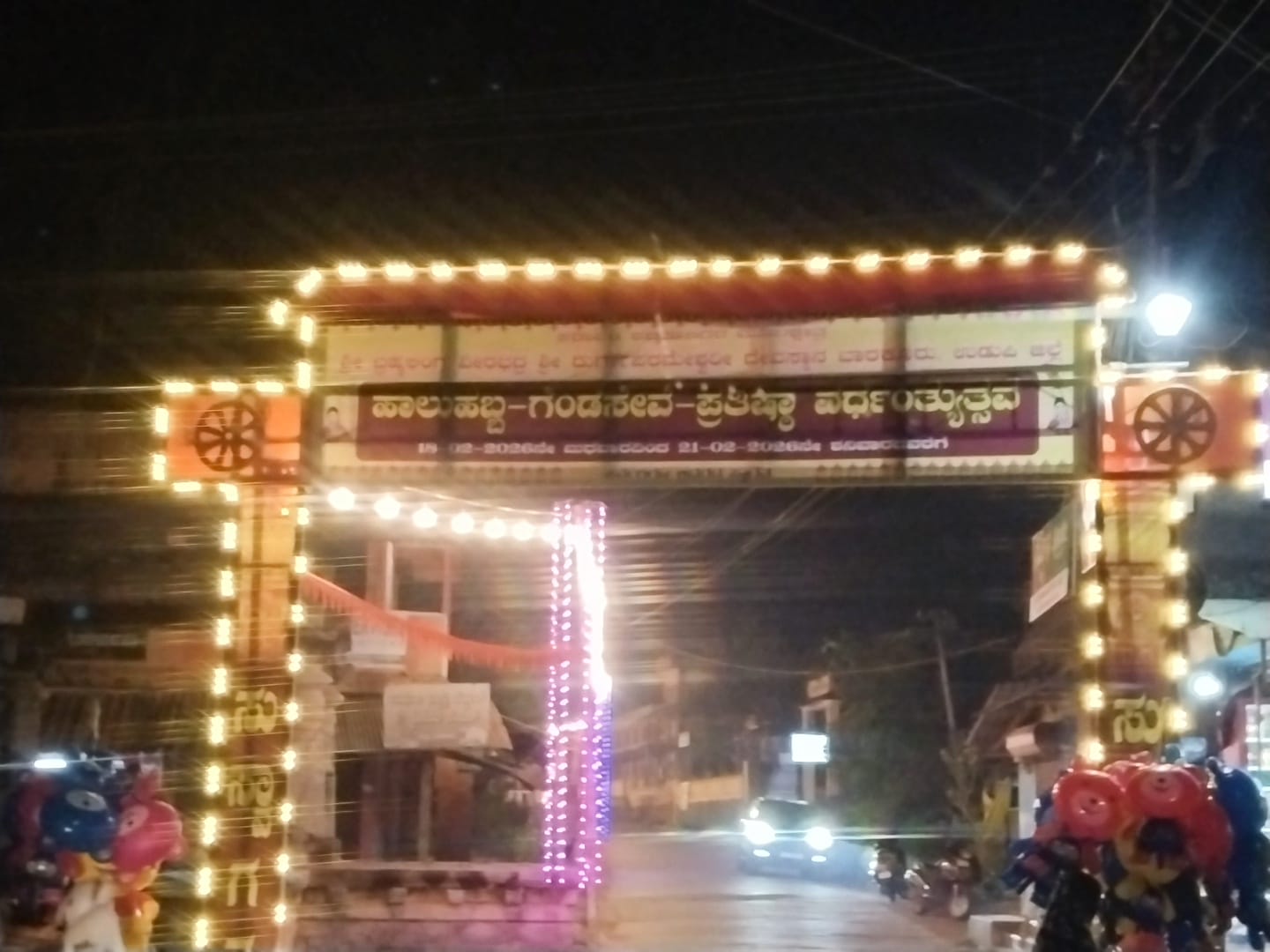
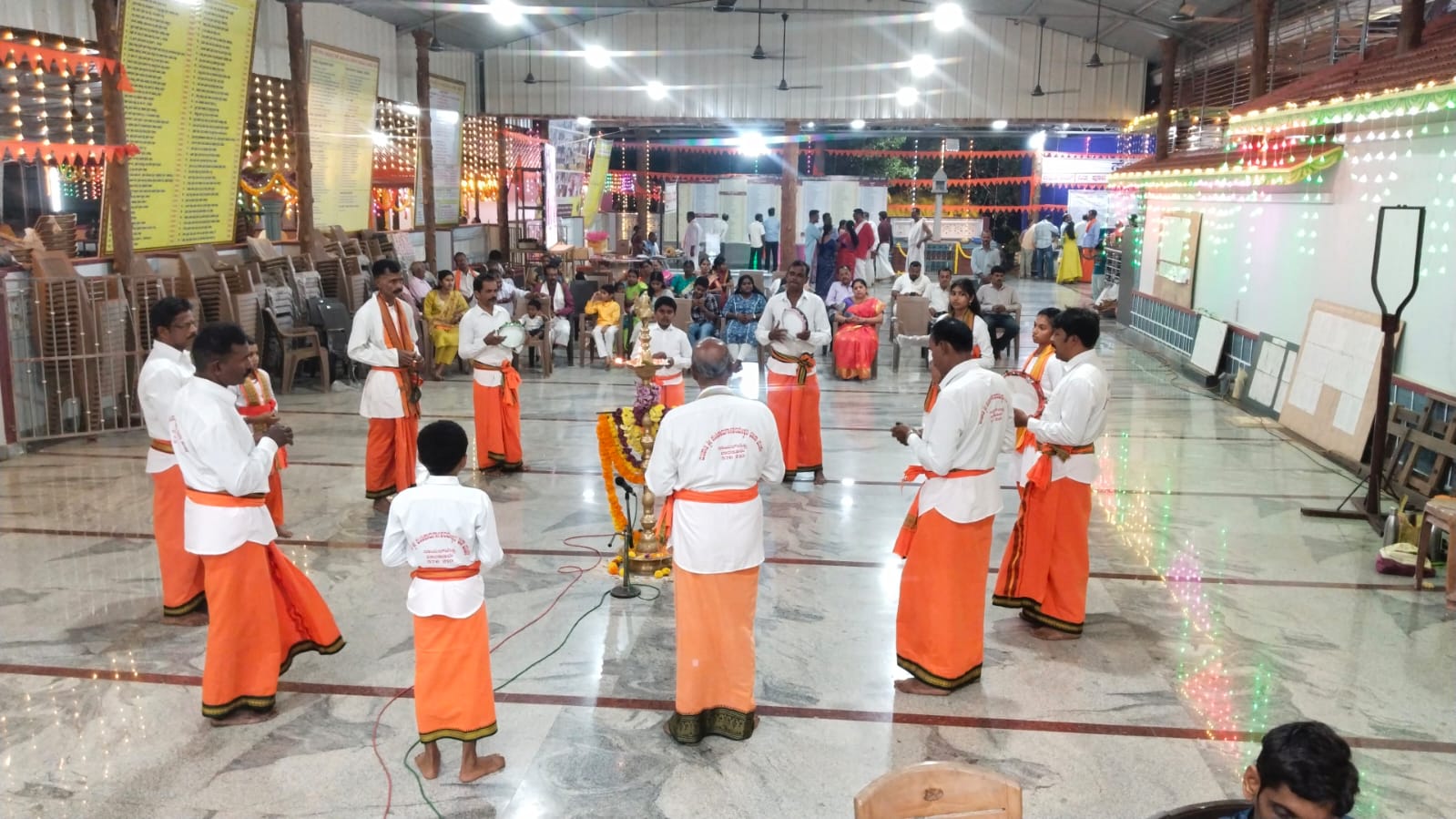
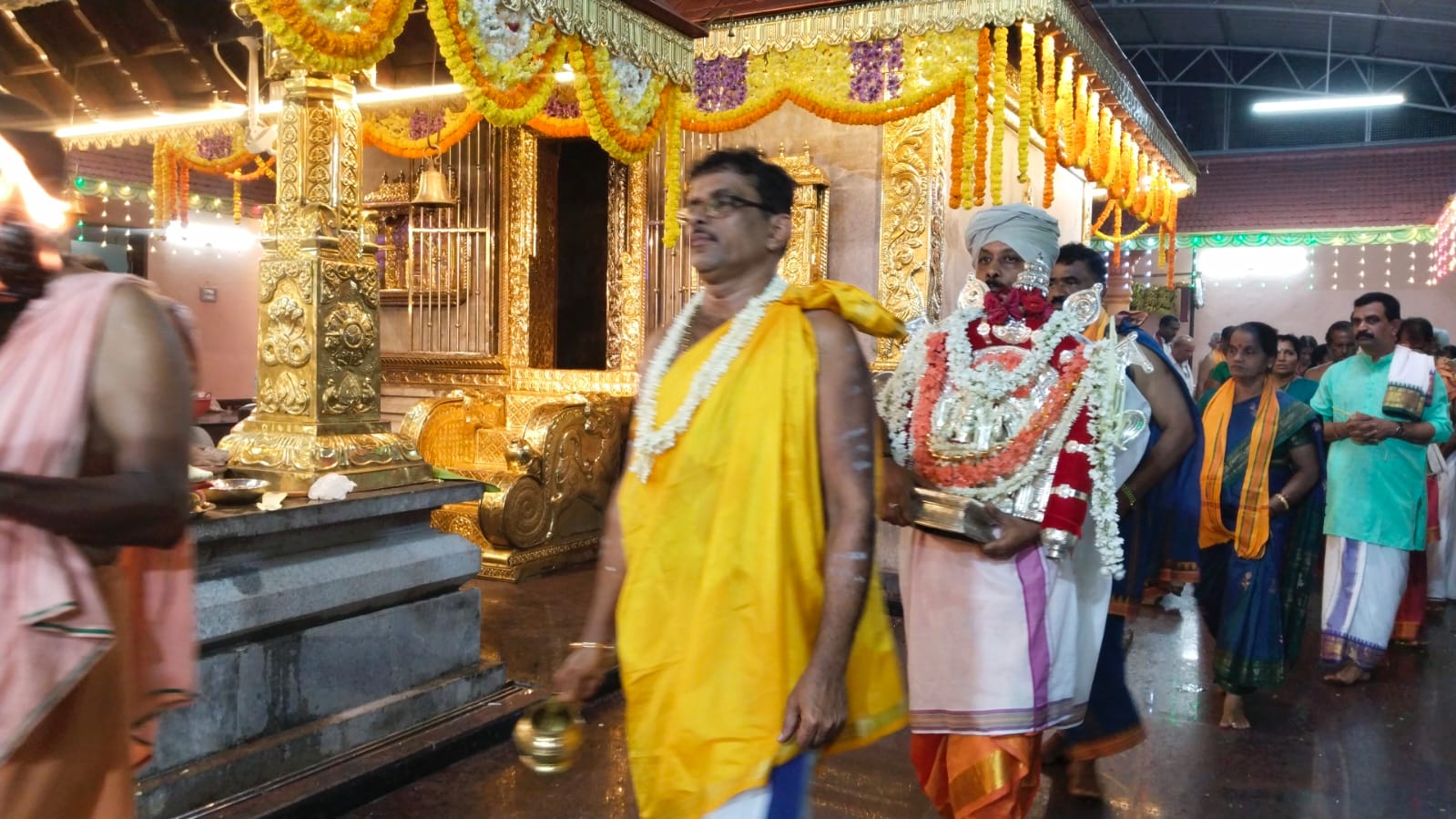
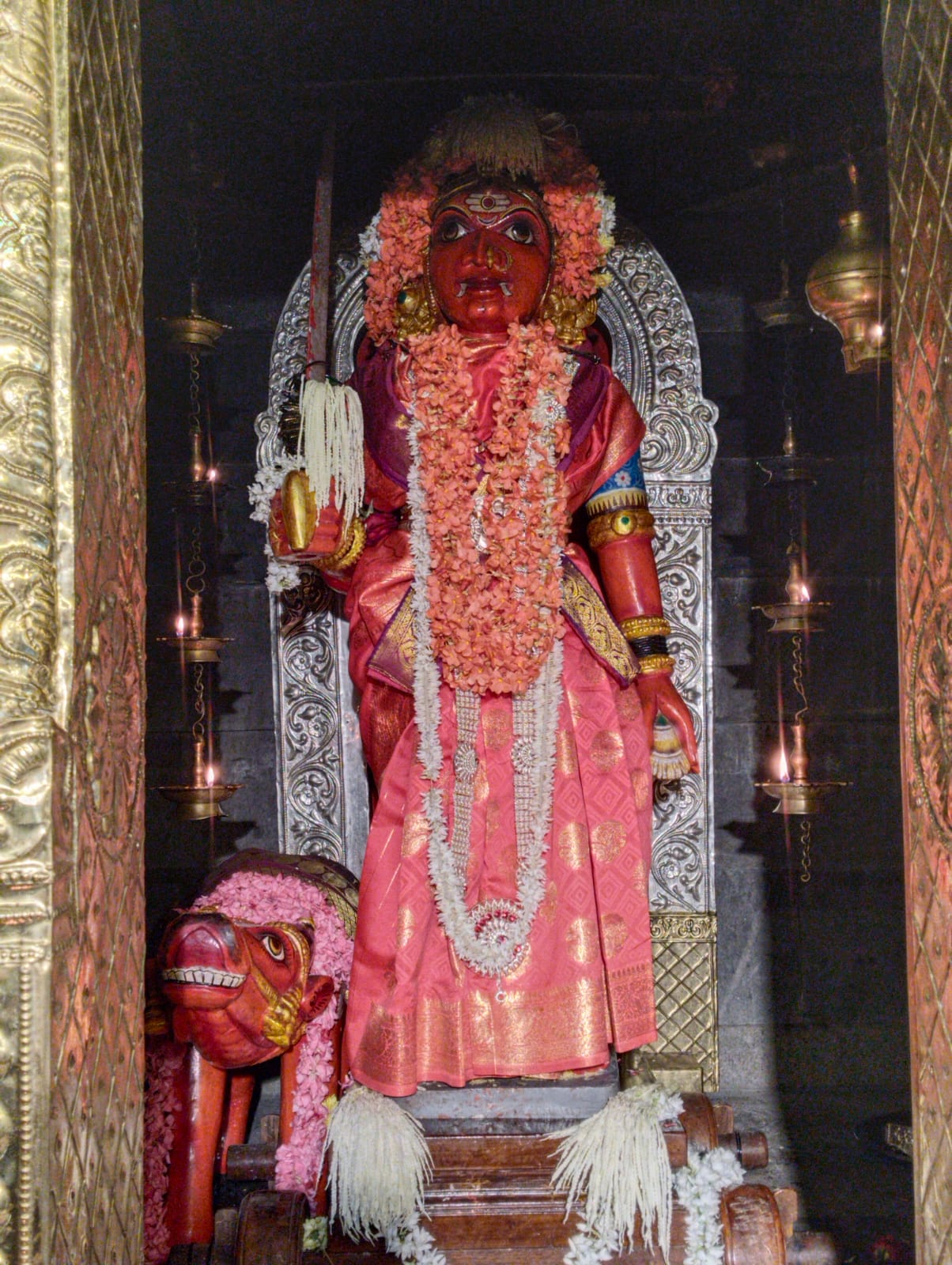
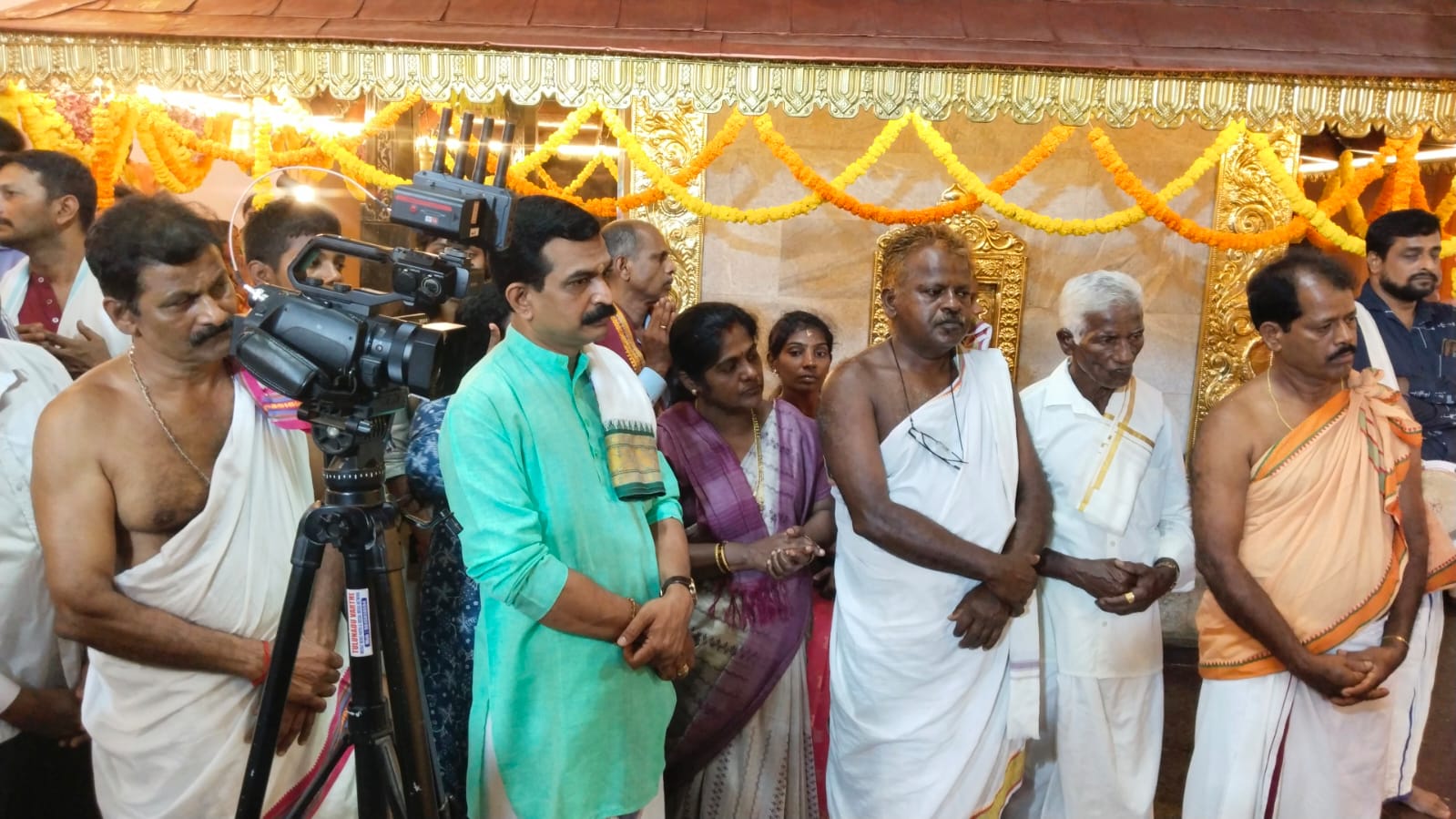
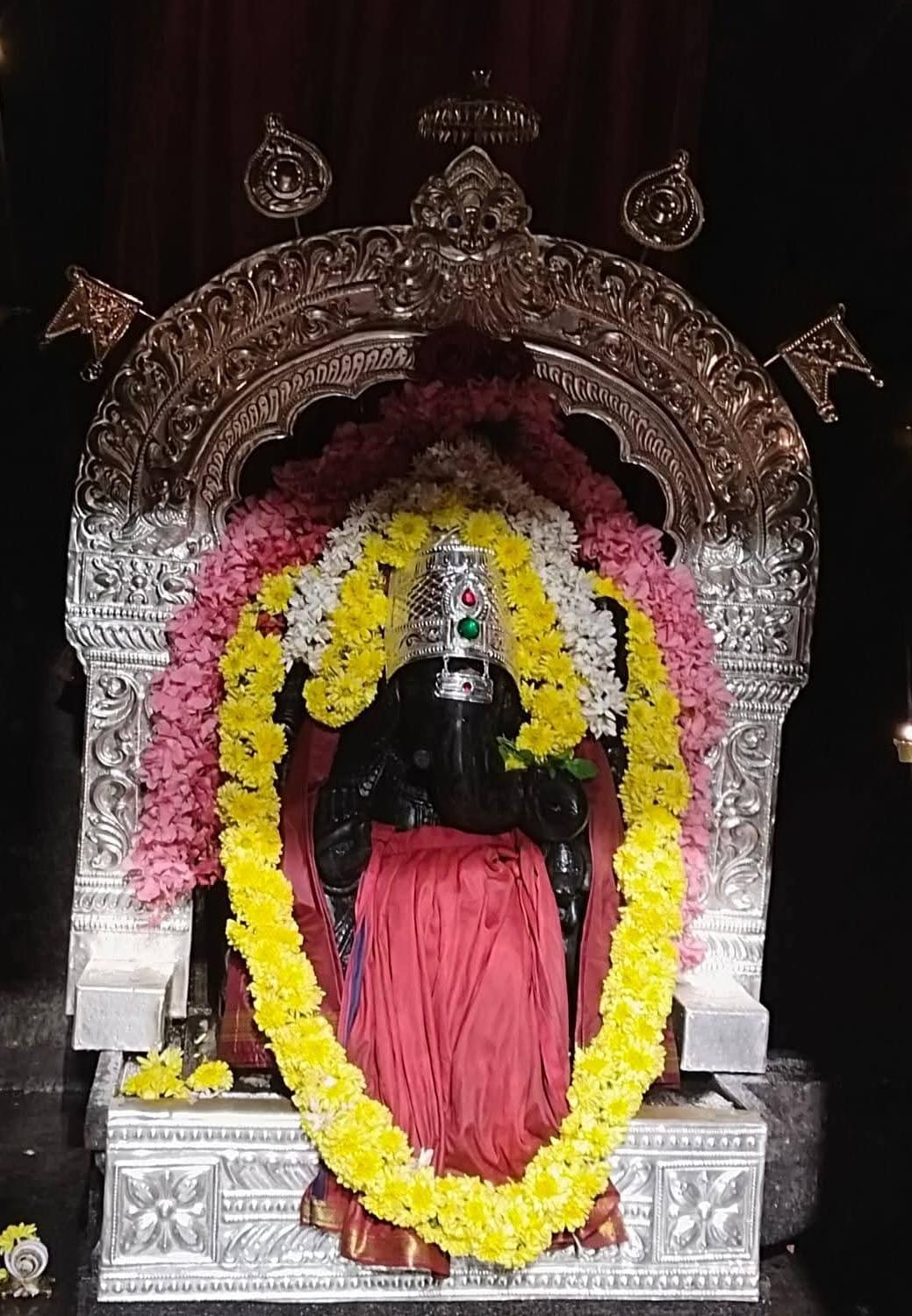
Barkur, February 21, 2026: The historic Sri Brahmalinga, Veerabhadra, and Sri Durgaparameshwari Temple at Barkur witnessed a magnificent four-day annual religious celebration that commenced on Wednesday, February 18, 2026, and concluded on Saturday, February 21, 2026. The grand festival, encompassing the Annual Halu Habba (Milk Festival), Genda Seve, Pratishthavardhanthotsava (Anniversary of Consecration), and Dakke Bali Seve, was conducted with great devotion, spiritual enthusiasm, and traditional sanctity.
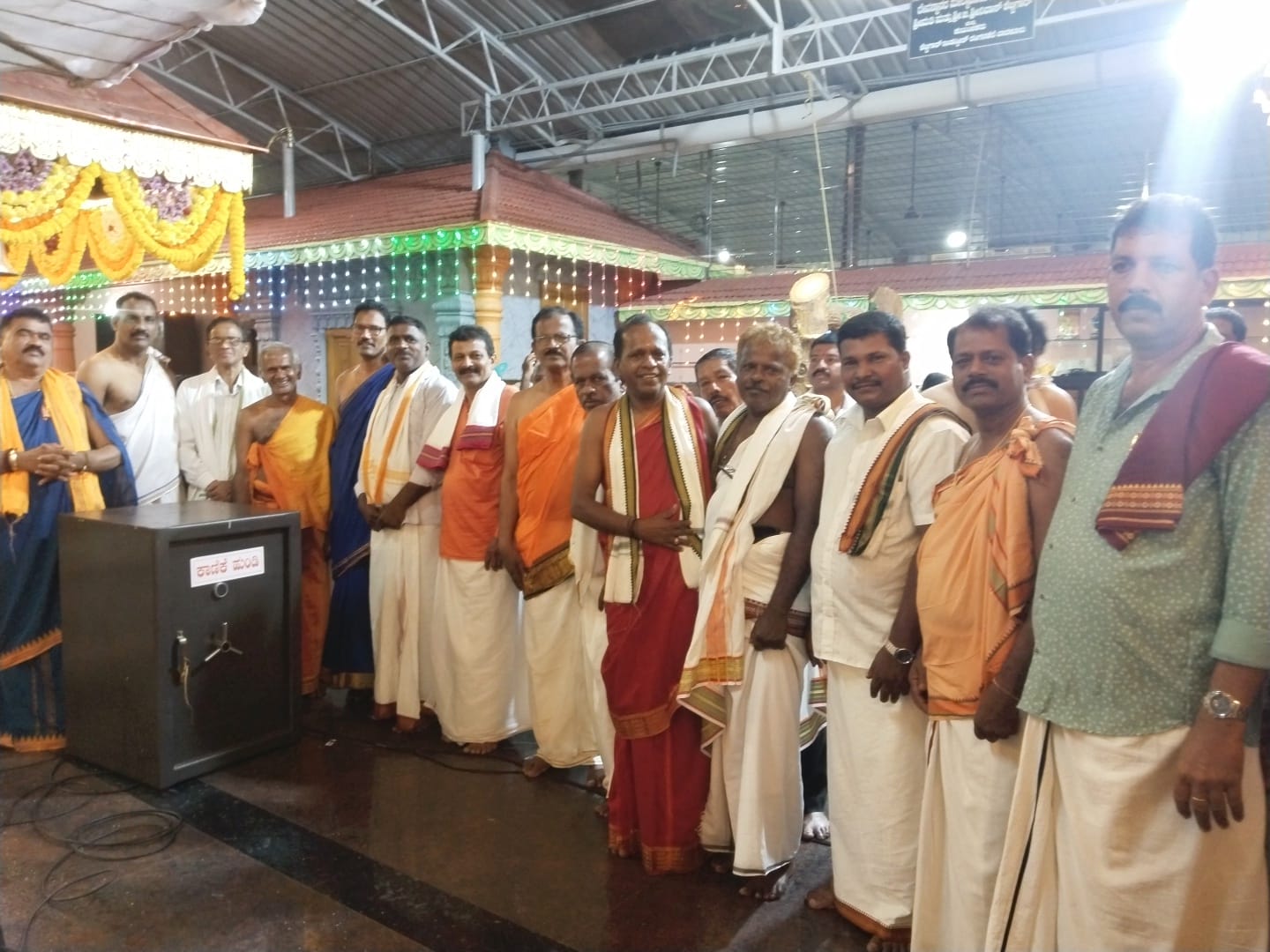
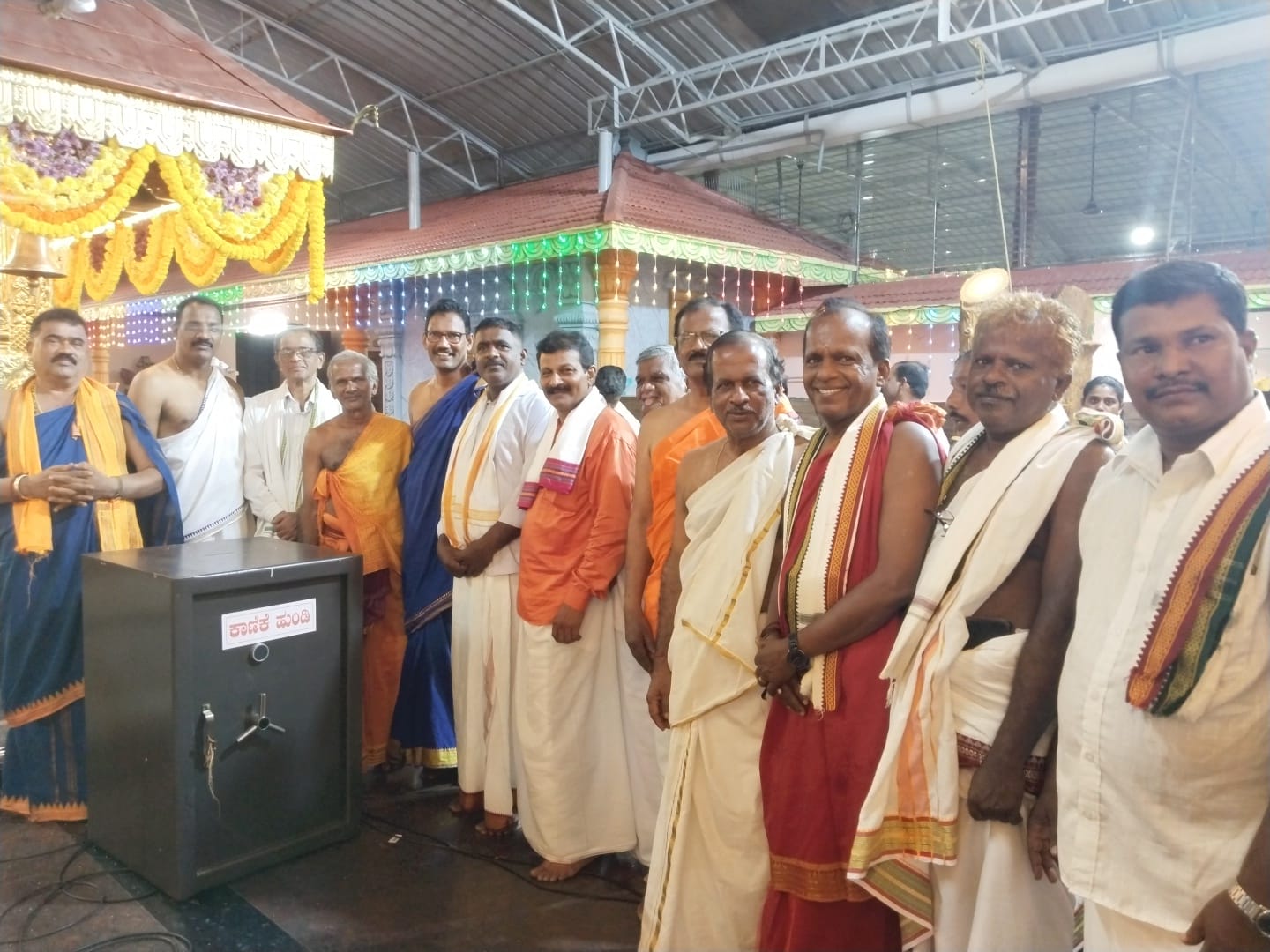
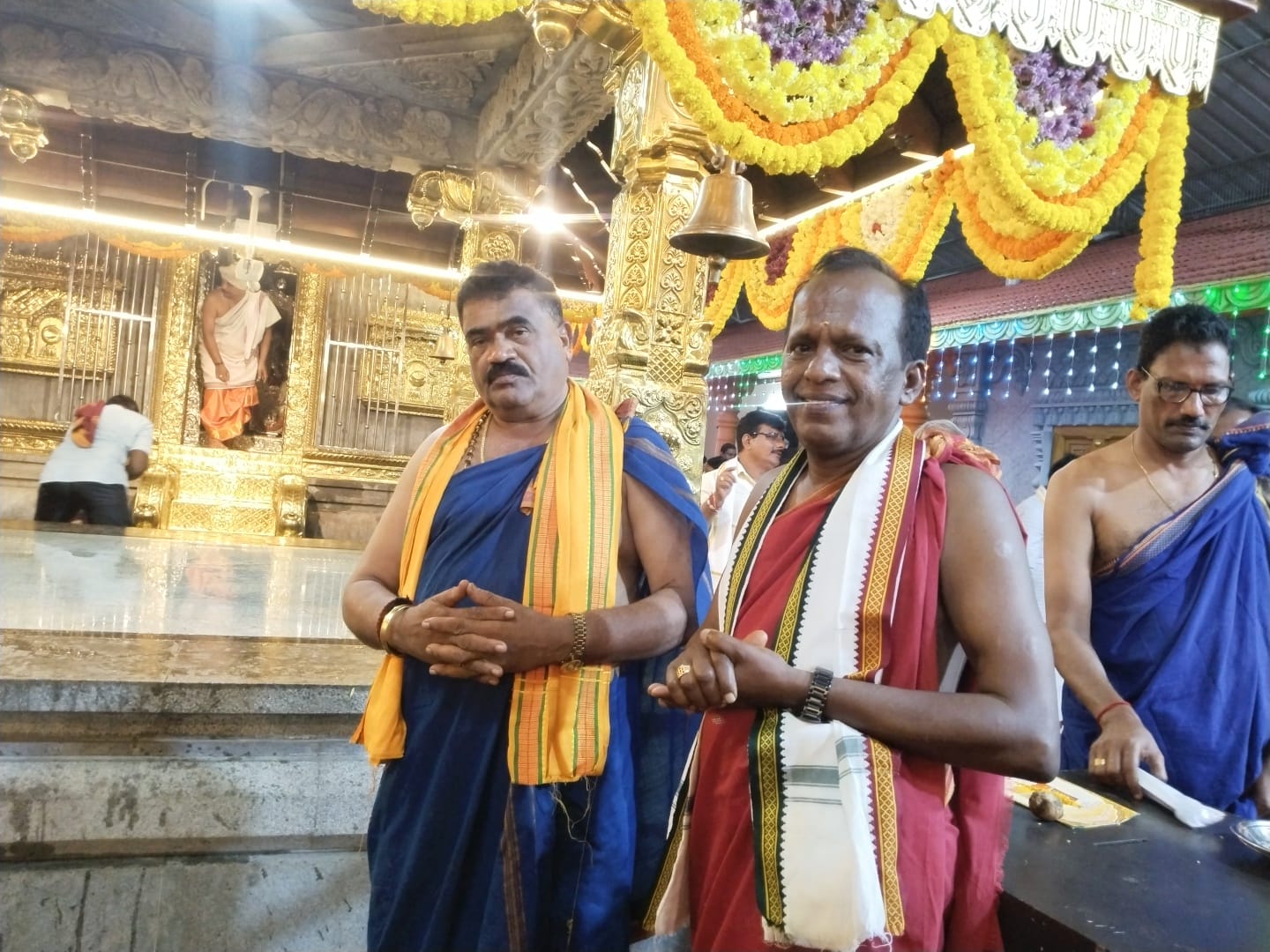
Sacred Rituals and Religious Observances
All religious ceremonies were meticulously performed under the learned and experienced priesthood of Vedamurthi Sri Ramesh Bhat Nayar Bettu of Barakuru, the temple's designated Tantri (chief priest). A wide array of Vedic rituals and traditional worship procedures were carried out throughout the four-day period, reflecting the rich cultural and spiritual heritage of the region.
The key religious events that were solemnly performed during this auspicious occasion included:
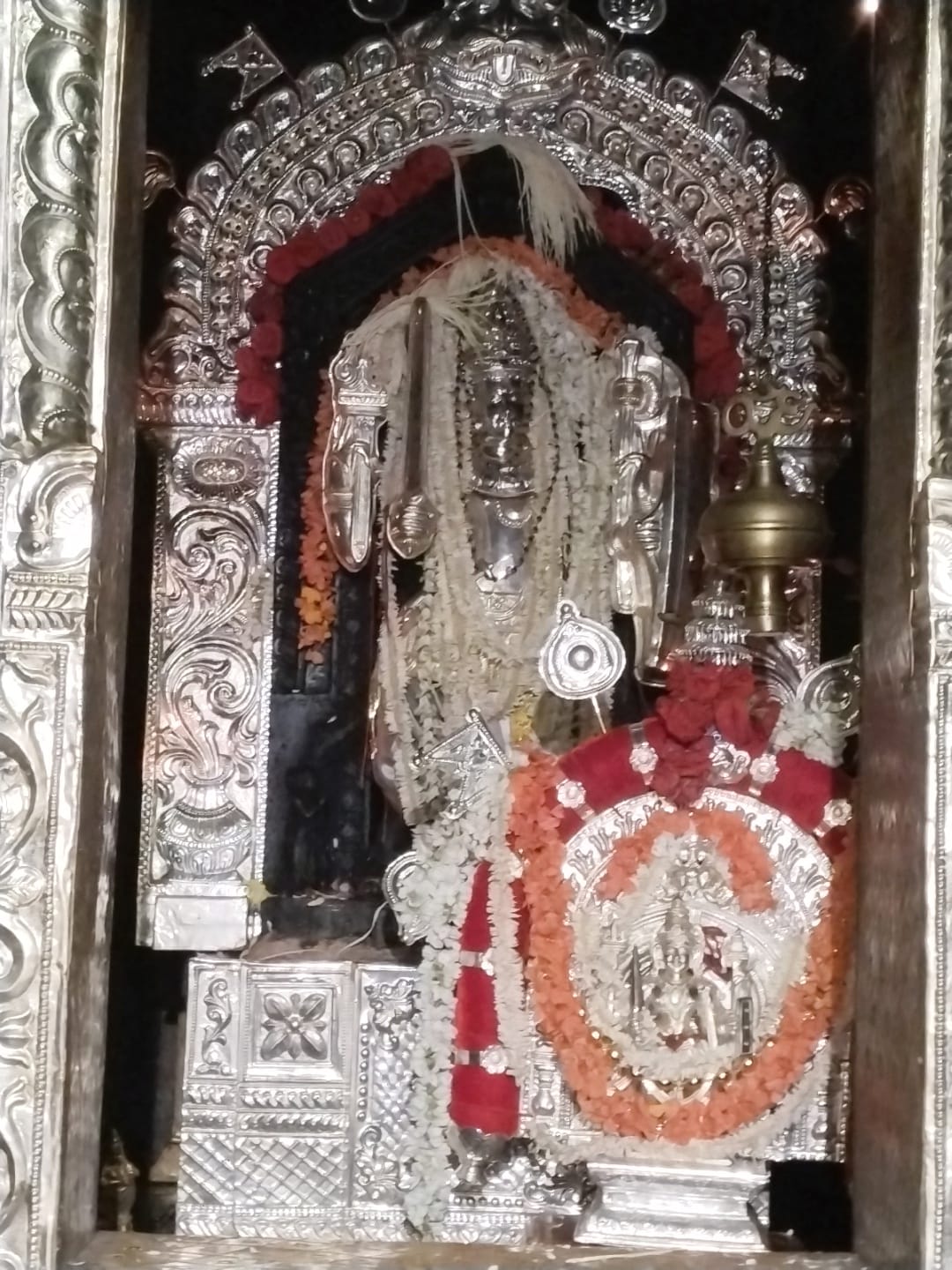
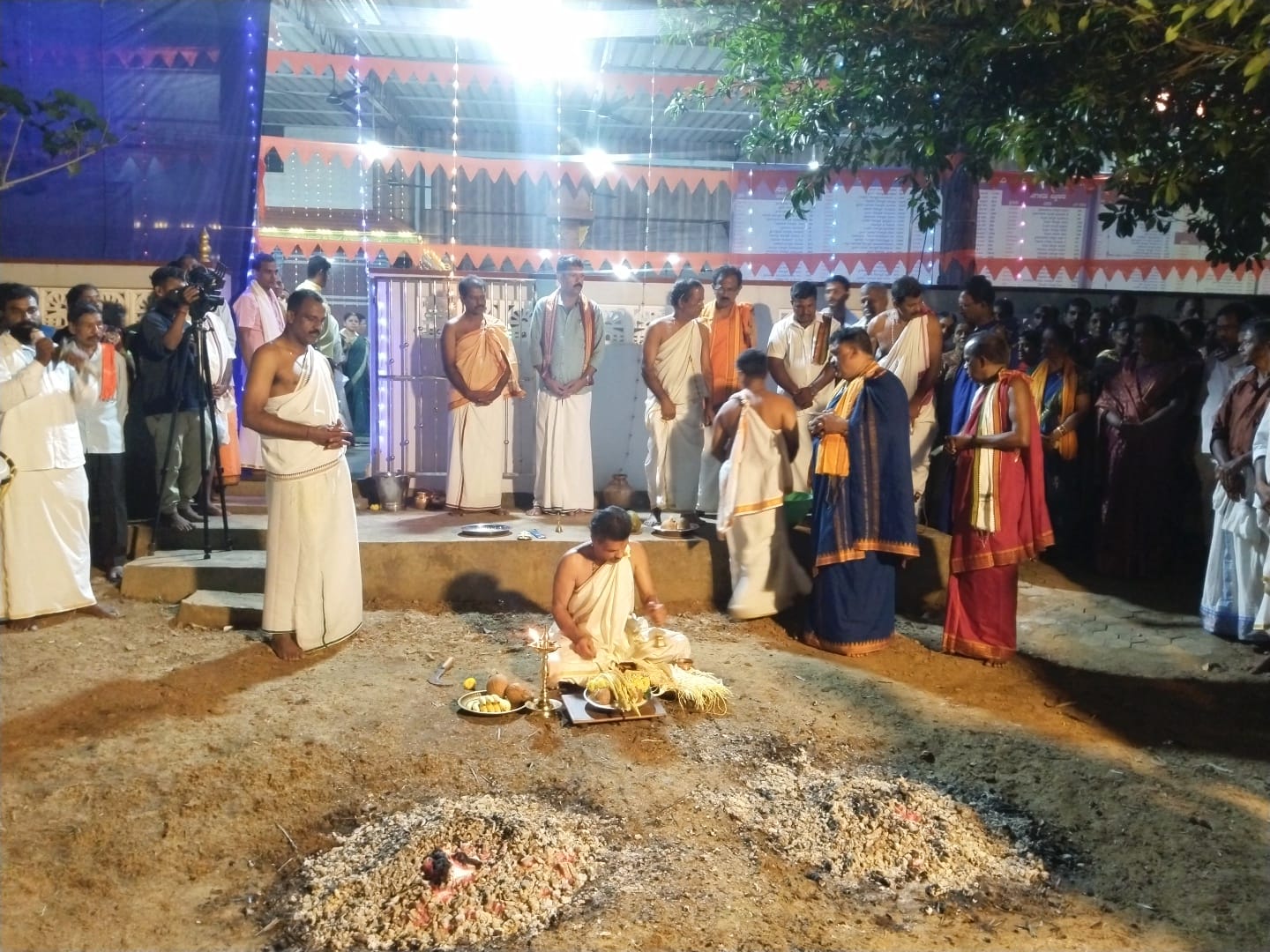
Ganapatihoma — an invocatory fire ritual dedicated to Lord Ganesha to ensure the auspicious and unobstructed commencement of all festivities. Chandikayaga — a powerful and elaborate Vedic yajna dedicated to Goddess Chandika, conducted with full scriptural adherence. Rudra Homa — a fire ritual dedicated to Lord Rudra (Shiva), performed with Vedic chanting and offerings. Kalashabisheka — a sacred ceremonial bathing (abhisheka) with consecrated water pots for Sri Veerabhadra and all the associated deity shrines (Parivara Devatha). Special Puja and Kalashabisheka at Sri Kumara Mandira — a separate and elaborate worship was conducted at the shrine of Lord Kumara (Subramanya) within the temple complex. Ranga Puja and Bali Utsava — ritualistic offerings and ceremonial processions as part of the traditional worship sequence. Kenda Seve (Fire-walking ritual) — a dramatic and devotion-filled ceremony where devotees participate in the age-old tradition as an act of surrender and faith. Halu Hittu Seve for Naga Devaru — the ritualistic offering of milk and rice preparations to the sacred Serpent Deity, a practice of immense importance in the coastal Karnataka temple tradition. Dakke Bali Seve — a grand traditional drum-offering ritual marking one of the most visually spectacular events of the festival.
Felicitation of Distinguished Contributors
On the occasion of this auspicious festival, eminent orator and scholar Sri Damodara Sharma graced the gathering and extended his heartfelt felicitations to the devotees and organizers.
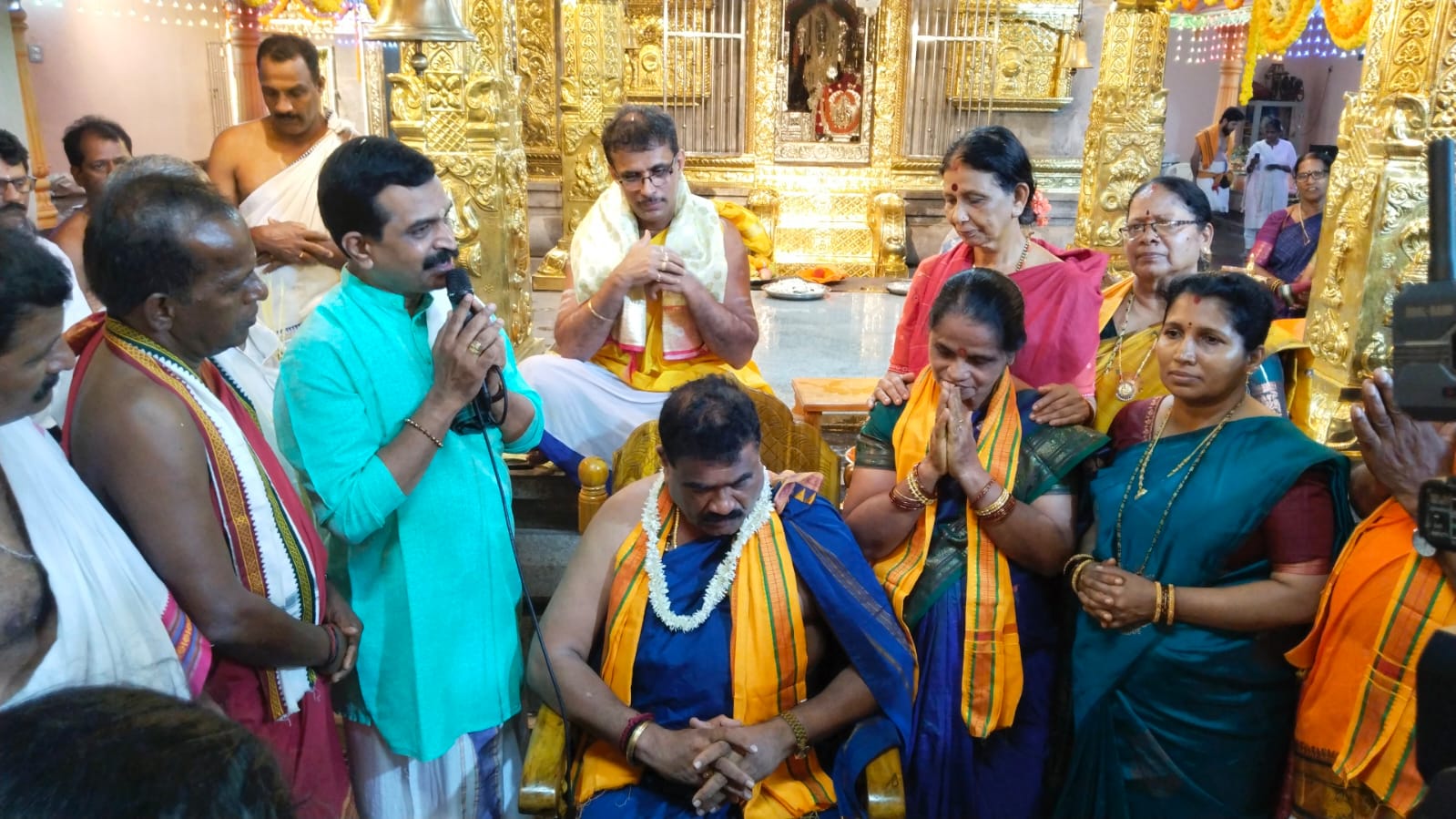
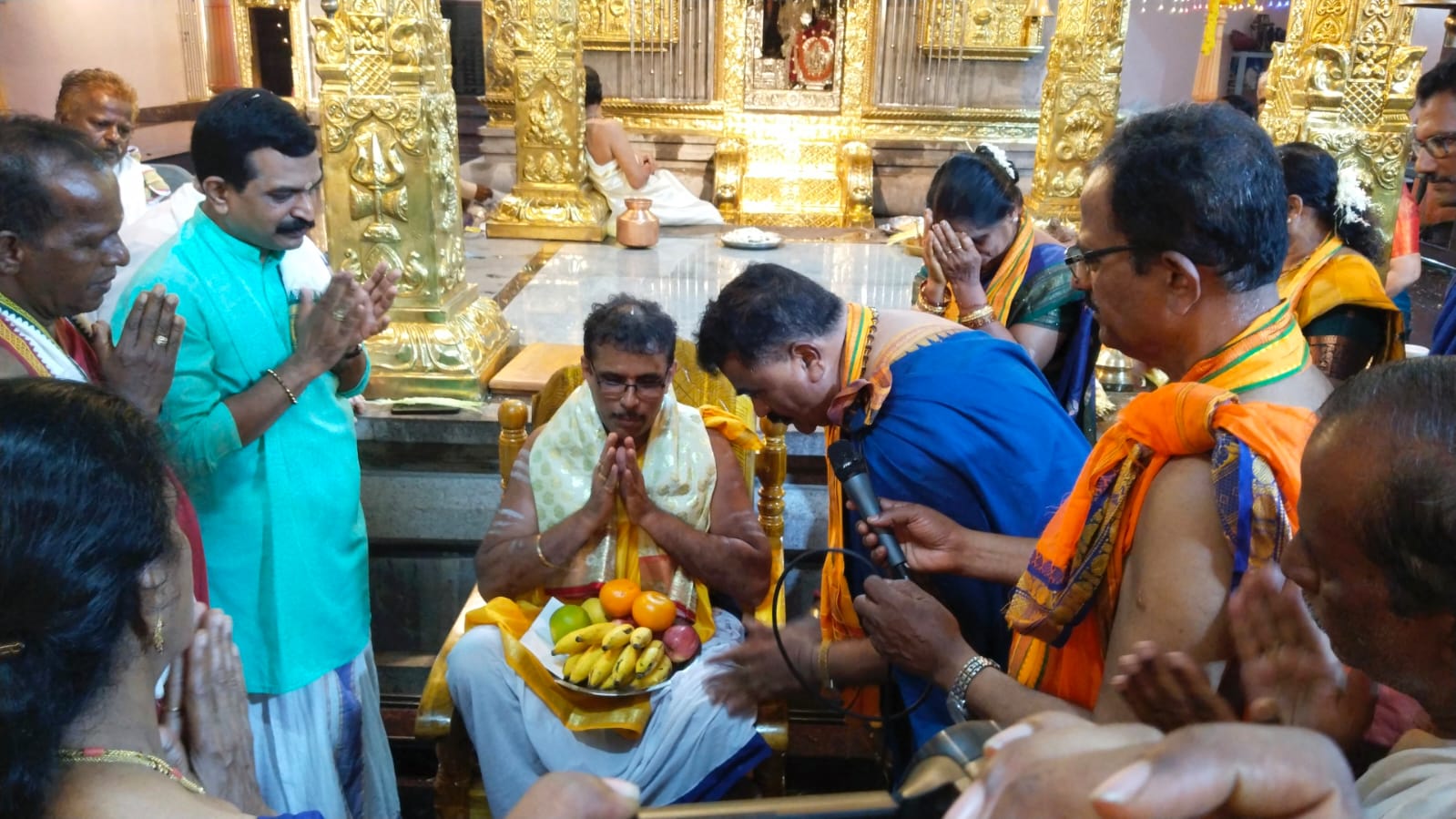
In a special ceremony held during the festival, two distinguished individuals were honored and felicitated for their invaluable contributions to the temple and the community:
Sri Ramesh Bhat Nayar Bettu, the temple's Tantri, was warmly honored for his tireless and dedicated efforts in conducting all religious programs at the shrine without any hindrance, ensuring every ritual was performed with utmost precision and sanctity.
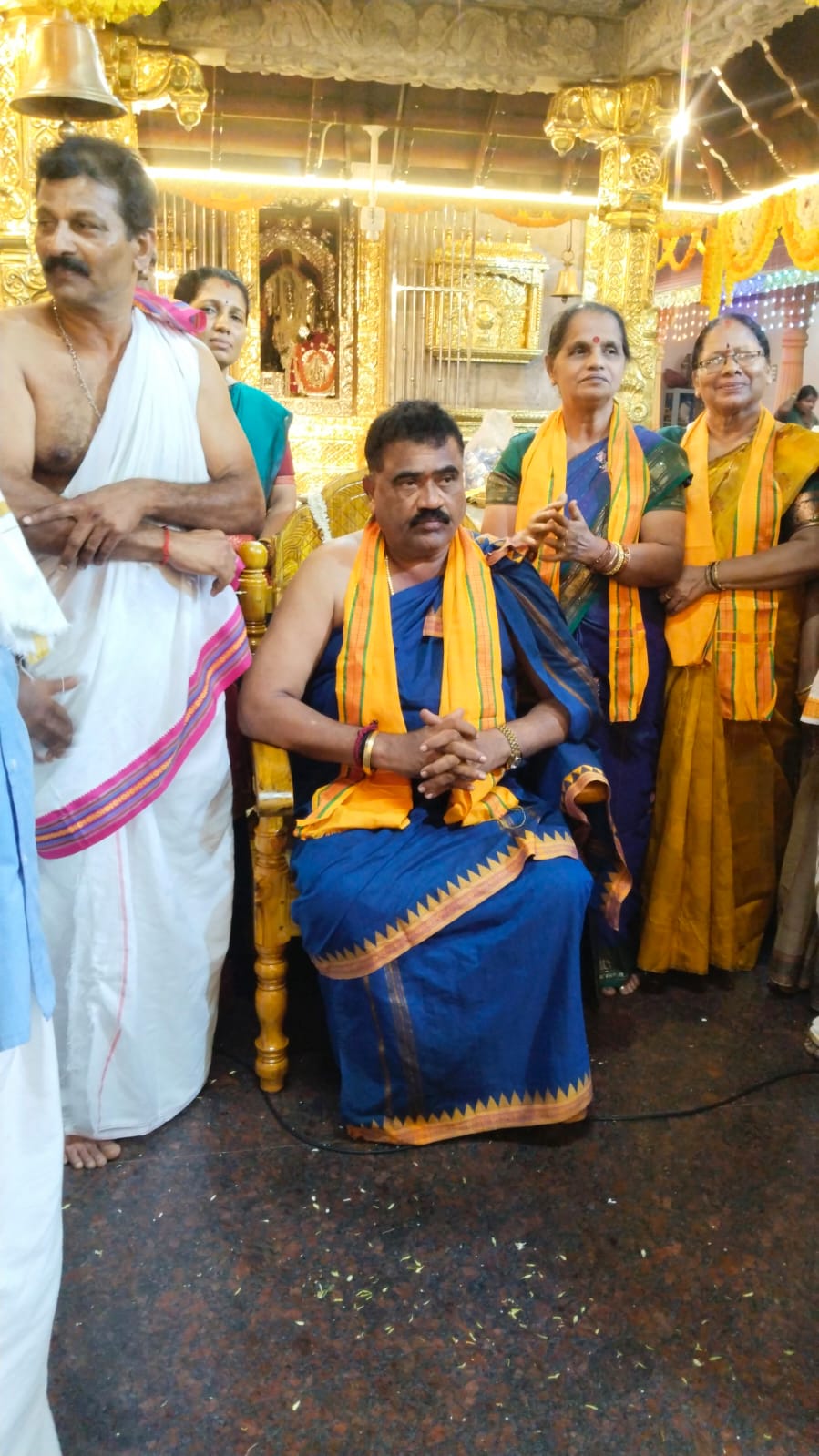
Sri Srinivas Shettigar, who serves as both the President of the Temple Renovation Committee (Jirnoddara Samiti) and the Administrative Moktesar (Trustee), was also specially recognized and felicitated. Sri Shettigar has been instrumental in spearheading numerous developmental and renovation works at the temple, transforming the infrastructure of the shrine significantly.
Temple Administration and Key Officials
The festival was organized under the collective leadership of the temple's administrative body, with the following dignitaries present and actively involved:
- Sri B. Srinivas Shettigar — Administrative Moktesar (Chief Trustee)
- Sri Suresh Upadhyaya — Head Priest (Pradhana Archaka)
- Dr. Jayarama Shettigar — President, Development Committee
- Sri Purushottama Shettigar — President, Sri Veereshwara Seva Samiti
- Sri H.A. Gopal Shettigar — President, Brahmakalashotsava Committee
- Sri Sudhakar Shettigar — President, Samaja Seva Trust (Community Service Trust)
- Sri Sanjeeva Shettigar — President, Yuva Vedike (Youth Forum)
- Sri Bhaskar Shettigar — President, Sanghatana Samiti (Organizing Committee)
- Smt. Chandravati S. Shettigar — President, Sri Durgaparameshwari Mahila Vedike (Women's Forum)
Also in attendance were the co-trustees, members of the administrative board, Magani Gurikars (village community heads), and the Samasta community members, who collectively ensured the smooth and successful conduct of all proceedings.
Massive Development Works Completed at the Temple
In a significant appeal issued to the devotee community, the temple management highlighted the extensive infrastructure and renovation works that have been successfully undertaken and completed at the Sri Kshetra in recent times. These development projects, made possible through the generous contributions of devoted benefactors, include:
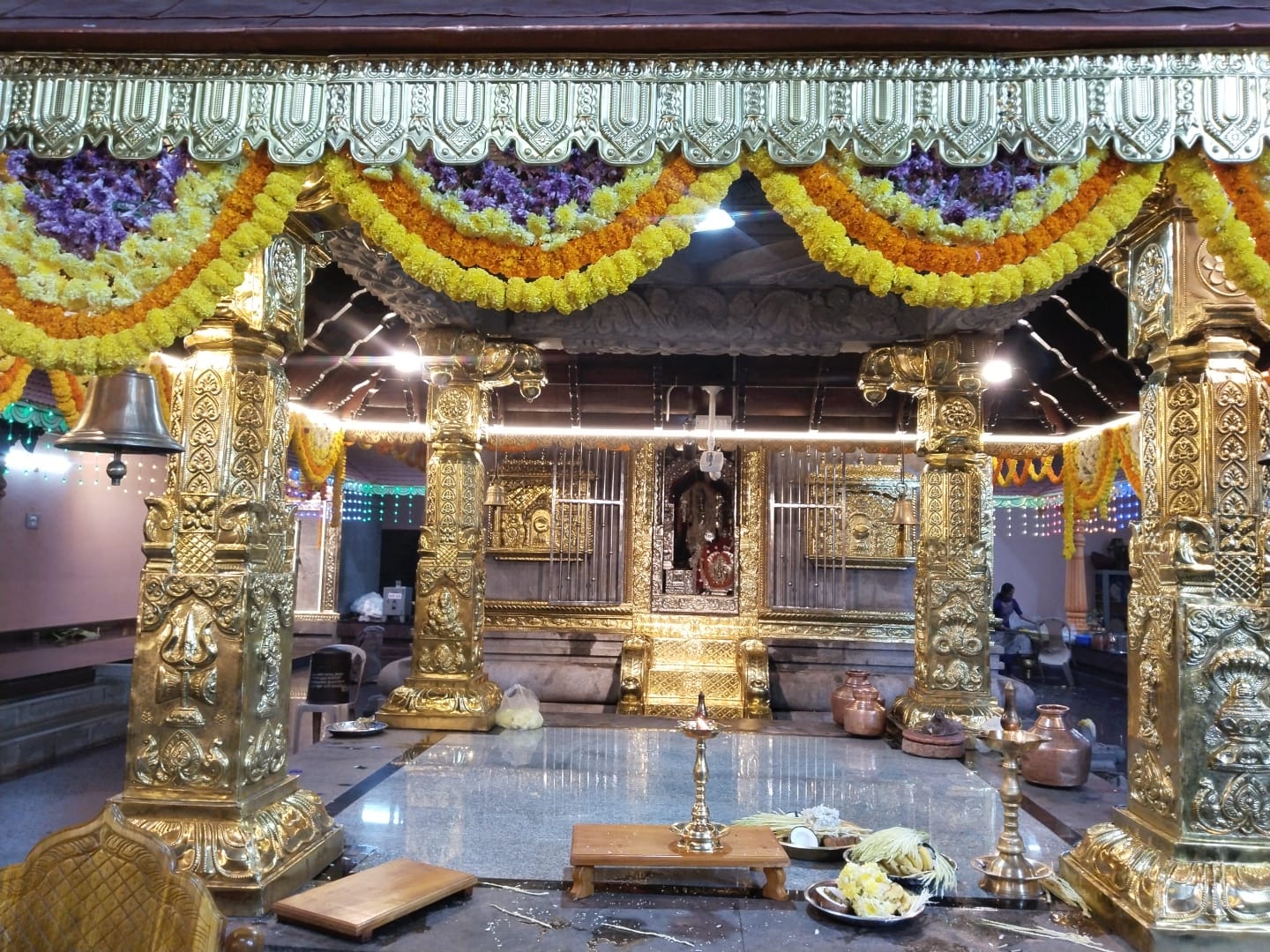
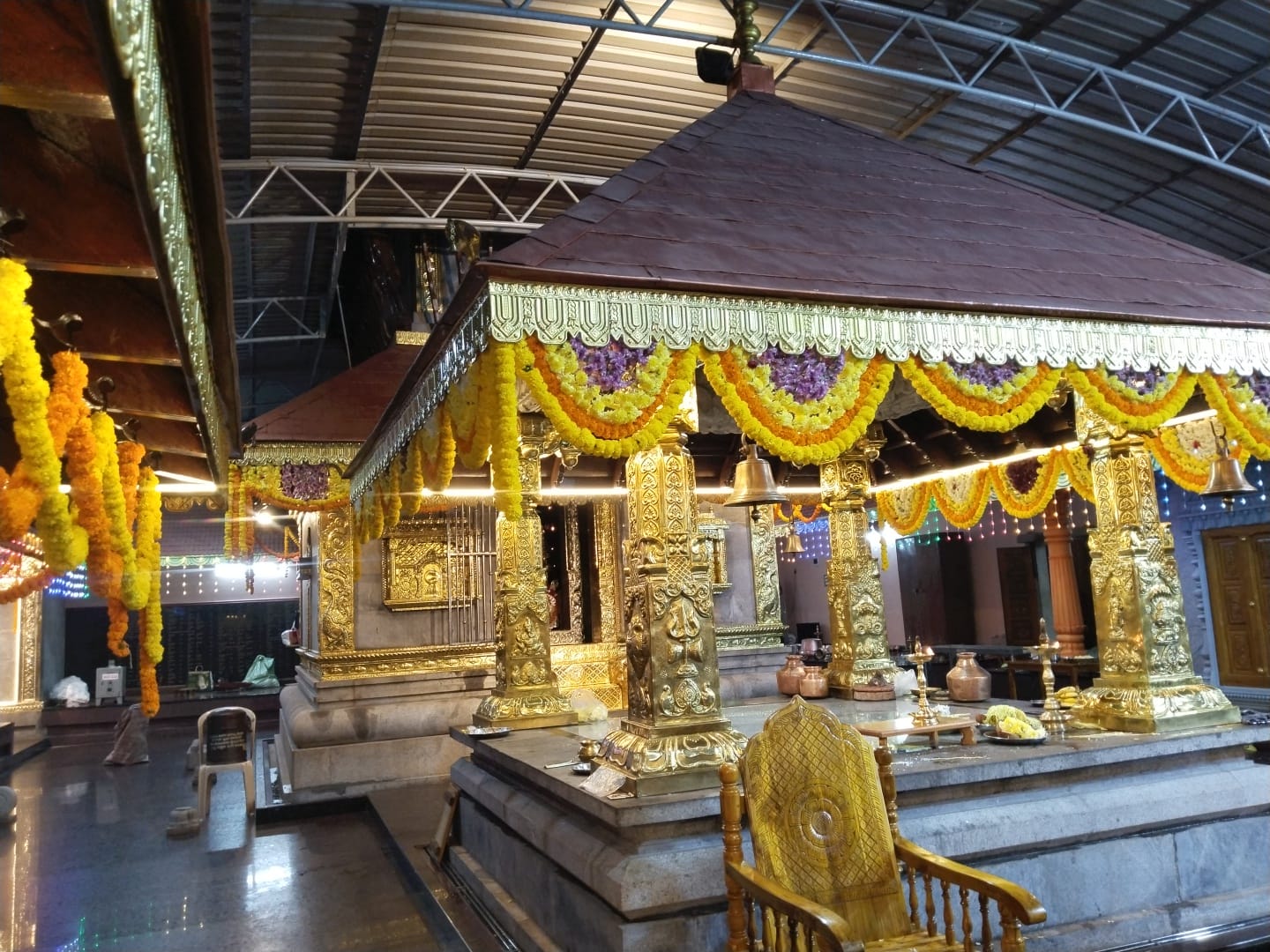
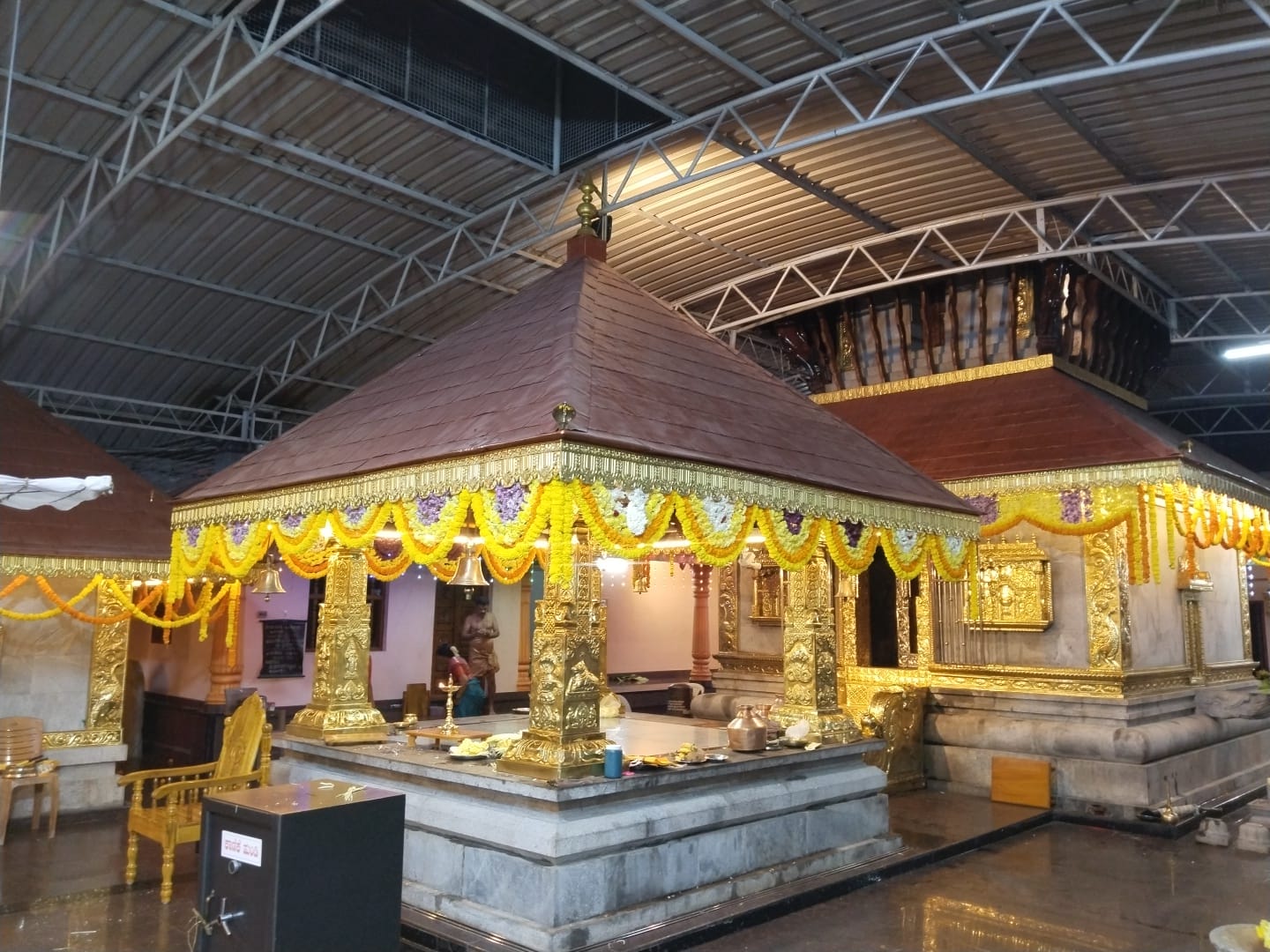
Installation of granite flooring inside the temple premises; fitting of brass casing on the sanctum sanctorum doors (Garbhagudi Dwara); granite laying in the temple courtyard (Pauli); artistic renovation of pillars; construction of a sabha mangala (assembly hall) and dining hall equipped with tables and chairs; construction of a roofed canopy and tile work in front of the temple; renovation of the Naivedhya Shale (sacred kitchen for divine offerings); restoration of the sacred well (Tirtha Bavi); construction of a Naga Sannidhya security room; construction of a Yaga Shale (hall for fire rituals); renovation of the Parivara Daiva shrines (subsidiary deity shrines); establishment of a service office; compound wall construction; installation of CCTV surveillance cameras; construction of a guest house, full kitchen facility, and modern sanitation/toilet blocks.
These development works collectively represent a major transformation in the temple's physical infrastructure, ensuring a far more comfortable and dignified experience for visiting devotees and pilgrims.
Brahmakalashotsava Successfully Concluded
The management also recalled with pride that the grand Ashtabandha Brahmakalashotsava (a once-in-several-years major temple consecration event), along with the Halu Habba, Annual Puja, and Genda Seve, was successfully and grandly completed from February 14, 2025 to February 20, 2025 — a milestone event in the temple's history.
A Heartfelt Appeal to Devotees
The temple management extended a sincere and heartfelt expression of gratitude to all the donors and devotees who have contributed — physically, mentally, and financially — towards making these sacred works a reality. In their message to the faithful, the management stated:
"It is due to your generous donations that all the above-mentioned works have been accomplished. We pray to Sri Deva to bless all of you who have engaged yourselves in this meritorious task, offering your tanu (body), mana (mind), and dhana (wealth) in service of the Lord."
Special Notice Regarding Donor Recognition
The temple management has issued an important notice regarding donor recognition. All devotees who have made donations of Rs. 25,000 and above toward the temple's development works — up to the Halu Habba of February 2026 — will have their names permanently engraved on a stone plaque (Shilafhalaka) to be installed within the temple premises, as a mark of honor and eternal gratitude.
The annual Halu Habba at the Barkur Sri Brahmalinga Veerabhadra Sri Durgaparameshwari Temple stands as a deeply cherished tradition that reaffirms the spiritual bond between the deity, the priests, and the devoted community that has nurtured and sustained this sacred institution across generations.